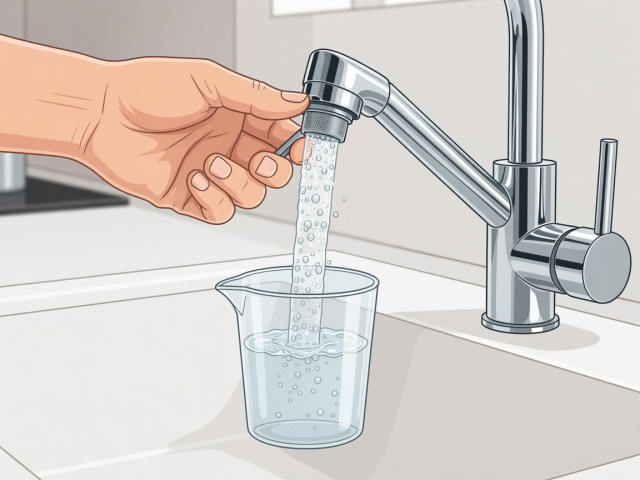
Begin with water nobody meant to use
A dripping tap, a toilet that refills unexpectedly or a damp cupboard deserves attention before a new household rule. Walk through the places water enters, is used and drains away. Look beneath sinks, around accessible supply connections and near appliances. Do not disturb concealed pipes or remove safety covers to extend the inspection.
Notice changes as well as visible leaks: a new sound, a persistent wet patch or an unexplained change in recorded use. If your home has an accessible meter serving only your property, your water supplier may explain how to check for possible leakage during a period when no water should be used. Shared supplies, automatic appliances and inaccessible meters can make a simple test misleading. Ask the supplier rather than guessing.
Make toilet faults easier to spot
A toilet can lose water without leaving a puddle on the floor. Look for continued movement in the bowl after the normal refill has finished, or a cistern that repeatedly tops up without being used. A worn seal or faulty valve may need a compatible replacement. Record the model where possible so the right part can be identified.
Avoid placing improvised objects in the cistern. They can obstruct mechanisms or reduce flushing performance. A purpose-designed adjustment still needs to match the toilet and the manufacturer’s instructions. In rented accommodation, report the fault promptly and agree who is responsible for the repair. If isolation is necessary, use only a valve you can identify and operate safely.
Choose fittings for the system you have
A flow-regulating tap fitting or efficient showerhead can be useful, but compatibility comes first. Check pressure requirements, thread sizes, heater limitations and any manufacturer restrictions. Some instantaneous heaters and specialist showers need a particular flow to function safely. An unsuitable attachment can create poor performance rather than a durable improvement.
In the United States, the EPA’s WaterSense label helps identify products meeting its efficiency and performance criteria. In the UK, Waterwise provides water-efficiency guidance, while Water Regs UK explains relevant water-fitting requirements. Labels and rules differ by jurisdiction. Use a recognised local source and ask a competent plumber when the system is unfamiliar.
Reduce repeat work in the kitchen
Set up the task before opening the tap. Scrape food scraps into an appropriate waste stream, gather the items to wash and use a method suited to the load. A bowl may help with some hand-washing routines, but clean water is still necessary when hygiene requires it. Never reuse dirty wash water for food preparation or handwashing.
For a dishwasher, follow the loading pattern and maintenance guidance. A full, correctly loaded machine is different from an overloaded one that leaves items dirty and needs another cycle. Check the manual before assuming every item needs pre-rinsing. Keep filters clean as instructed, and choose a suitable programme rather than relying on a setting whose name sounds efficient.
Collect water only when you have a safe use
It can be practical to catch clean water while waiting for a tap to warm, provided you have a clean vessel, a prompt non-drinking use and no new trip or lifting hazard. Do not build a storage routine that leaves unlabelled containers around the home. Once water has been collected or stored, do not assume it remains suitable for drinking.
Rainwater harvesting and greywater systems need more planning. Roof runoff can contain contaminants; used household water can contain microbes and chemicals. Keep non-potable supplies separate from drinking-water plumbing with the safeguards local rules require. Do not improvise cross-connections. For garden use, check local guidance, plant needs and any water restrictions before deciding what is appropriate.
Make outdoor use fit the conditions
Check soil moisture before watering and direct water to roots rather than hard surfaces. Mulch and suitable planting can help manage moisture, but species choice, soil and climate matter. A routine copied from a wetter region may be unsuitable in a dry one. Observe local drought restrictions and avoid making a new irrigation system a substitute for understanding the site.
Review one change at a time. Has the leak stopped? Does the fitting still provide comfortable performance? Has cleaning become harder? Meter readings can help, but occupancy and seasonal use affect the result. The aim is a system that avoids needless losses while remaining safe, reliable and easy to live with.
Useful water references
- U.S. EPA WaterSense — labelled products and household guidance.
- Waterwise — water-efficiency information.
- Water Regs UK — water-fitting requirements and guidance.